Lars reviewed Brave New World by Aldous Huxley
None
5 stars
4.6
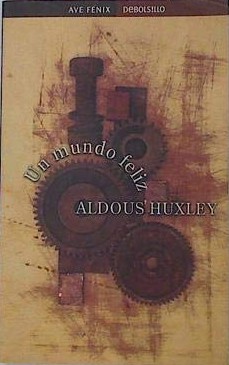
Paperback, 267 pages
Spanish language
Published Nov. 8, 1994 by Plaza & Janés.
Originally published in 1932, this outstanding work of literature is more crucial and relevant today than ever before. Cloning, feel-good drugs, antiaging programs, and total social control through politics, programming, and media -- has Aldous Huxley accurately predicted our future? With a storyteller's genius, he weaves these ethical controversies in a compelling narrative that dawns in the year 632 AF (After Ford, the deity). When Lenina and Bernard visit a savage reservation, we experience how Utopia can destroy humanity. A powerful work of speculative fiction that has enthralled and terrified readers for generations, Brave New World is both a warning to be heeded and thought-provoking yet satisfying entertainment. - Container.
Originally published in 1932, this outstanding work of literature is more crucial and relevant today than ever before. Cloning, feel-good drugs, antiaging programs, and total social control through politics, programming, and media -- has Aldous Huxley accurately predicted our future? With a storyteller's genius, he weaves these ethical controversies in a compelling narrative that dawns in the year 632 AF (After Ford, the deity). When Lenina and Bernard visit a savage reservation, we experience how Utopia can destroy humanity. A powerful work of speculative fiction that has enthralled and terrified readers for generations, Brave New World is both a warning to be heeded and thought-provoking yet satisfying entertainment. - Container.
4.6
Esse livro é um clássico do gênero ficção científica distópica, e já em 1932 já previa algumas desgraças em nome do progresso científico. Aliás, se tem uma coisa em que o livro acerta, é na crítica implícita (ou até mesmo explícita) sobre ciência e o progresso obstinado. O dilema moral principal do livro, escrito mesmo antes da Segunda Guerra ou da ameaça de caos nuclear da Guerra Fria, é: ser livre e sofrer, mas poder apreciar a arte e a liberdade e tudo o que implica, ou ser condicionado, manipulado e viver em uma sociedade de castas, mas sem sofrimento e uma vida relativamente digna e feliz (mesmo considerando as castas)?
Na minha opinião, esse dilema moral é realmente interessante e se prova atual mesmo 92 anos após o lançamento do livro. O que eu não gostei foi:
1) A narrativa: achei chata, não me interessou, os personagens …
Esse livro é um clássico do gênero ficção científica distópica, e já em 1932 já previa algumas desgraças em nome do progresso científico. Aliás, se tem uma coisa em que o livro acerta, é na crítica implícita (ou até mesmo explícita) sobre ciência e o progresso obstinado. O dilema moral principal do livro, escrito mesmo antes da Segunda Guerra ou da ameaça de caos nuclear da Guerra Fria, é: ser livre e sofrer, mas poder apreciar a arte e a liberdade e tudo o que implica, ou ser condicionado, manipulado e viver em uma sociedade de castas, mas sem sofrimento e uma vida relativamente digna e feliz (mesmo considerando as castas)?
Na minha opinião, esse dilema moral é realmente interessante e se prova atual mesmo 92 anos após o lançamento do livro. O que eu não gostei foi:
1) A narrativa: achei chata, não me interessou, os personagens não são bem trabalhados e o Selvagem é um saco. Não aguentava mais citação de Shakespeare de um pseudocristão. Mas talvez esse fosse o ponto mesmo. Então não vou criticar o autor;
2) O cristianismo implícito: é sério que a liberdade de sentir que o autor sugere está vinculada ao cristianismo e o sofrer por boa vontade? E que um dos sinais do fim dos tempos é a tal da promiscuidade sexual, em que foi influenciado por uma suposta promiscuidade entre jovens norte-americanos? Sei lá, na minha opinião há muito mais nuances entre liberdade, felicidade e sofrimento do que existe entre ateísmo e ciência e cristianismo e fé.
Enfim, o problema é que eu fui com expectativas demais para um livro de uma pessoa anti-comunista de 1932. Acho que meus olhos, mente e coração de 2024 tornam difícil de analisar esse livro sem certo anacronismo, considerado o nível da distopia neoliberal que vivemos. Há promiscuidade (e que bom), mas o cristianismo é muito mais castrador da nossa liberdade do que qualquer promiscuidade...
I guess it might be the point of the book, but I couldn't feel that any character was real, everything felt stereotypical; while at the same time that "prediction" of the future does not seem plausible to me.
And I repeat, it might be the point of the book, so, if that is the case, then great job. I just did not enjoy it or gained any interesting insight.
I guess it might be the point of the book, but I couldn't feel that any character was real, everything felt stereotypical; while at the same time that "prediction" of the future does not seem plausible to me.
And I repeat, it might be the point of the book, so, if that is the case, then great job. I just did not enjoy it or gained any interesting insight.